Septic Tank Pumping Cost in Ocala, FL (2026 Guide)
Typical Ocala pump-out prices by tank size, the extra fees that change the bill, and how to compare quotes fairly.
Read the guide ›Why drain fields get wet in Ocala's rainy season, how to tell a high water table from a failing field, and what to do next.
Call Now – (352) 677-6144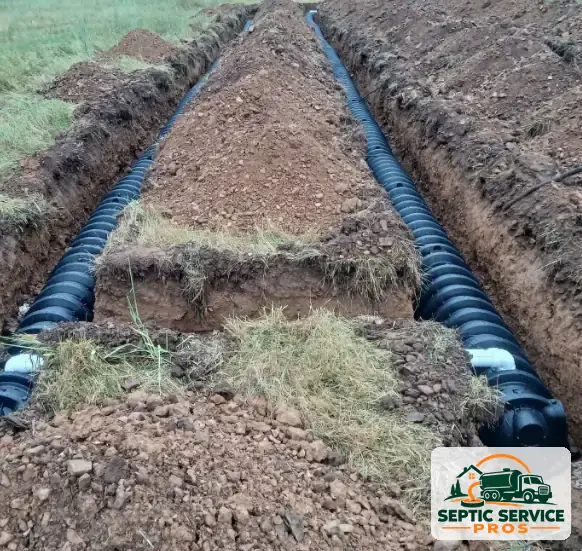
A soggy drain field after heavy rain in Ocala is often caused by a high water table, not a failed field. If the ground dries out within a few days of the rain stopping and drains work normally, the field is likely fine. If it stays wet and smells in dry weather, the field may be failing and needs an inspection.
Every summer we get calls from Ocala homeowners who walk outside after a week of afternoon storms and find wet, spongy grass over the drain field. Sometimes it is a real problem. Sometimes it is just Florida. This guide helps you tell the difference before you spend money. If you need help now, see our drain field repair in Ocala service.
A drain field works by letting treated wastewater soak into dry soil. When rain fills that soil, there is nowhere for the wastewater to go, so it pools near the surface. Four things usually cause it in Marion County.
Watch the field for a week after the rain stops. A healthy field that was only flooded will dry out within a few days. A failing field stays wet, smells of sewage, and drains in the house stay slow.
| What you see | Likely high water table | Likely failing field |
|---|---|---|
| Ground dries within 2–4 days of rain stopping | Yes | No |
| Sewage odor over the field | Rarely | Often |
| Wet in dry weather too | No | Yes |
| Slow drains in the whole house | Only during storms | Most of the time |
| Tank refills fast after pumping | No | Yes |
| Bright green stripes over the lines | Sometimes | Often |
If most of your answers fall in the right column, call for an inspection.
Cut your water use, keep people and pets off the wet area, and stop irrigation over the field. Those three steps often keep the house draining until the ground dries.
If the field stays wet in dry weather, smells of sewage, or the tank refills soon after a pump-out, the soil is no longer absorbing water. That needs a professional diagnosis: a tank pump-out and inspection, then a probe and camera check of the field.
Many "failed" fields in Ocala turn out to have a simpler cause: a full tank, a broken outlet baffle letting solids through, or a distribution box that tilted and overloads one line. Those are much cheaper to fix than a new field. Start with a pump-out, which also tells you if you are on the right pumping schedule for Marion County.
Keep water off the field and solids out of it. Point gutters away, keep irrigation off, pump the tank on schedule, and fix leaking fixtures. These steps protect the most expensive part of your system.
A wet field during a showing in July does not always mean trouble, but it is worth checking. Our checklist for septic inspections when buying in Ocala explains what to ask for before you close.
Call (352) 677-6144. We will ask a few questions about the weather, your water use, and your last pump-out, and tell you whether it can wait or needs a visit now.
If it was flooded by a high water table and the soil is healthy, yes, usually within days of the water dropping. A field clogged with biomat needs repair or rest.
Pumping lowers the level in the tank and buys time, but if the field is saturated, the tank can refill quickly. Pumping right before the rainy season is the better plan.
Septic problem right now? We answer 24/7 in Ocala.
More on this topic: drain field repair in Ocala.
Typical Ocala pump-out prices by tank size, the extra fees that change the bill, and how to compare quotes fairly.
Read the guide ›A pumping schedule by tank size and household, the signs you are overdue, and what Ocala's soil and rain mean for timing.
Read the guide ›What an aerobic septic alarm means, six safe checks you can do yourself, and when to call for service.
Read the guide ›Call (352) 677-6144 any time for a price and the next open truck.
(352) 677-6144 Call Now – (352) 677-6144